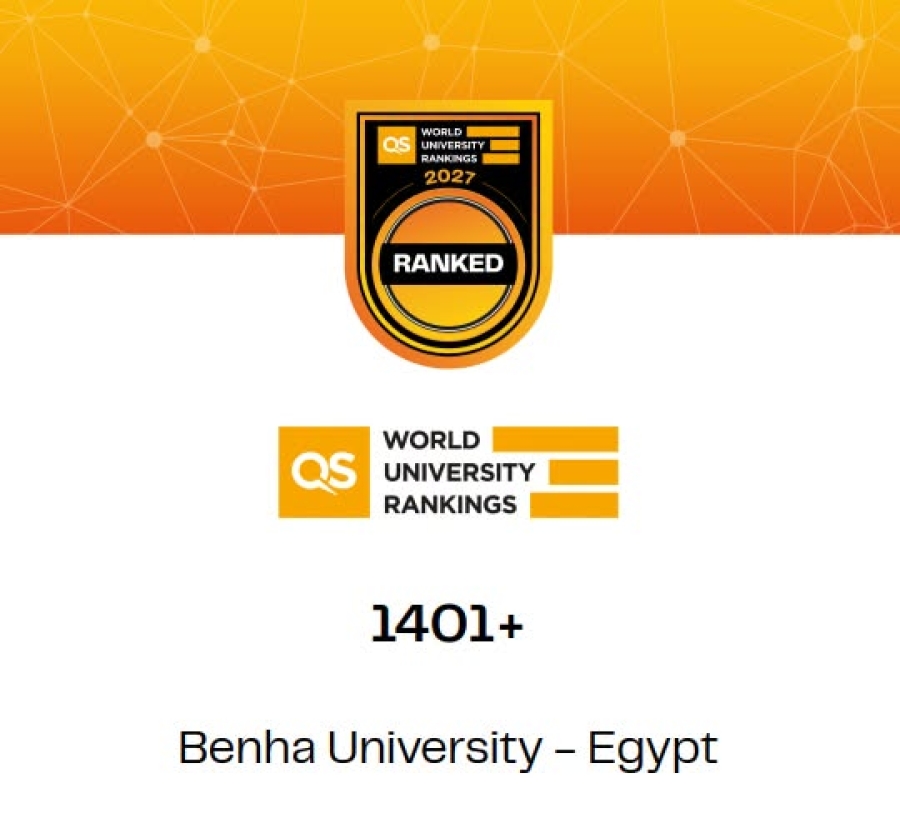
أعلن الدكتور ناصر الجيزاوي رئيس جامعة بنها ظهور نتيجة تصنيف QS للجامعات العالم لعام 2027، وأنه قد جاءت الجامعة بالمركز +1401 من بين ما يقرب من 8,000 مؤسسة بـ 106 دولة حول العالم تم تقيميها، بالفئة 8 بالمشاركة مع جامعات أخرى، من بين 18 جامعة مصرية حكومية وخاصة مدرجة بالتصنيف.
وأشار الجيزاوي إلى أن تقدم ترتيب الجامعة في التصنيفات العالمية يأتي في إطار سياسة الجامعة لتحسين مخرجاتها البحثية ورفع وبناء قدرات شباب الباحثين العلمية والبحثية، وان جامعة بنها خطت خطوات واسعة وجادة نحو الجودة والتميز للتواجد في التصنيفات العالمية في مراتب متقدمة وذلك بالاهتمام بالبحث العلمي الذي يعد أحد الركائز الأساسية في عمل الجامعات وتطويرها.
وقد اوضحت الدكتورة جيهان عبدالهادي نائب رئيس الجامعة لشئون الدراسات العليا والبحوث ان تصنيف كيو إس البريطاني يعتمد التصنيف على مجموعة من المؤشرات الرئيسية تشمل السمعة الأكاديمية، وسمعة الخريجين لدى جهات التوظيف، والاستشهادات البحثية، والتدويل، والاستدامة، ومخرجات التوظيف
كما تتضح أهمية هذا التصنيف في تقييم البرامج والخريجين حيث تعد معايير التقييم مؤشرات عملية وعلمية لتقييم الجامعات والاعتراف ببرامجها وشهاداتها ومراجعتها باستمرار لتطوير خطط وسياسات التعليم العالي.
يمكن الاطلاع على نتيجة التصنيف كاملا من خلال الرابط التالي:
كما يمكن الاطلاع على إداء جامعة بنها بالتصنيفات المختلفة من خلال الرابط التالي:
Benha University continues its presence in the QS World University Rankings for 2027.
Prof. Nasser El-Gizawy, President of Benha University, announced the results of the QS World University Rankings for 2027, revealing that the university ranked +1401 among nearly 8,000 institutions across 106 countries worldwide that were evaluated, sharing category 8 with other universities. This includes 18 public and private Egyptian universities listed in the ranking.
Prof. El-Gizawy pointed out that the university's improved ranking in global classifications aligns with its policy to enhance its research outputs and build the scientific and research capacities of young researchers. Benha University has made significant and serious strides toward quality and excellence to secure advanced positions in global rankings by prioritizing scientific research, which is one of the fundamental pillars of university operations and development.
Prof. Gehan Abdelhady, Vice President for postgraduate Studies and Research, clarified that the British QS ranking relies on a set of key indicators, including:
• academic reputation,
• Employer reputation for graduates,
• Research citations,
• Internationalization,
• Sustainability,
• Employment outcomes.
The importance of this ranking is evident in evaluating programs and graduates, as the assessment criteria serve as practical and scientific indicators for evaluating universities and recognizing their programs and degrees, continually reviewing them to develop higher education plans and policies.
You can view the full ranking results through the following link: