الجيزاوي": توظيف خبرات الجامعة العلمية والبحثية في دعم مشروعات الدولة وتعزيز مسيرة التنمية المستدامة
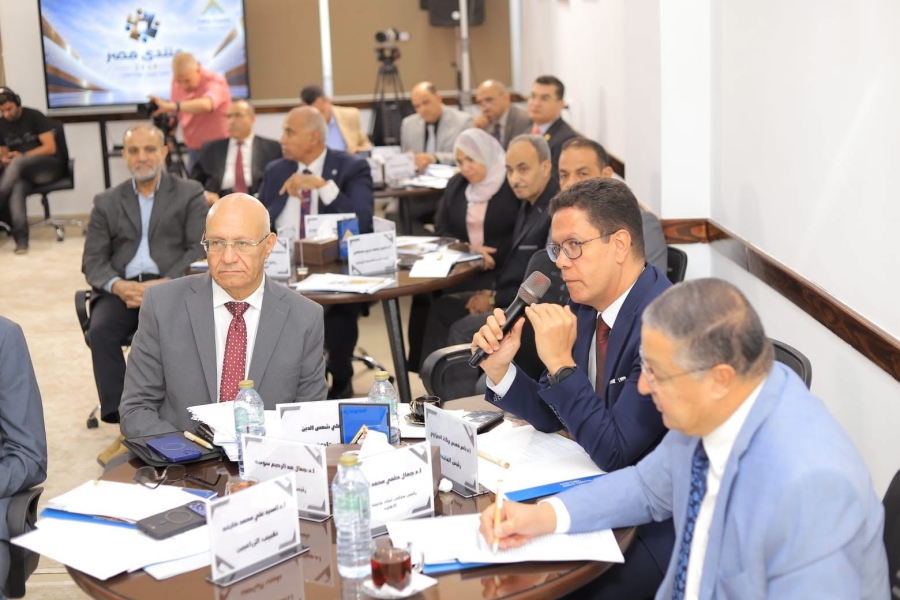
نظمت جامعة بنها جلسة حوارية موسعة حول محور "الأمن الغذائي والمائي"، في إطار مشاركتها في الجلسات التحضيرية والحوار المجتمعي لمنتدى مصر 2026، وذلك استجابة لدعوة فخامة الرئيس عبد الفتاح السيسي، رئيس الجمهورية، بفتح آفاق الحوار والنقاش حول القضايا والملفات الوطنية ذات الأولوية.
وترأس جلسة الحوار الدكتور ناصر الجيزاوي، رئيس جامعة بنها، التى عقدت برعاية الدكتور عبد العزيز قنصوة وزير التعليم العالي والبحث العلمي وشاركت فيها الدكتورة جيهان عبد الهادي، نائب رئيس الجامعة لشئون الدراسات العليا والبحوث، نائبا لرئيس الجلسة، بينما تولى الدكتور طه عاشور، أستاذ الهندسة الزراعية ونائب رئيس الجامعة لشئون خدمة المجتمع وتنمية البيئة، مهام منسق الجامعة ومدير جلسة الحوار.
وشهدت الجلسة مشاركة أكثر من 25 خبيرا ومتخصصا من منتسبي جامعة بنها في مجالات العلوم الزراعية والبيطرية والموارد المائية، من بينهم الدكتور علي شمس الدين، والدكتور جمال السعيد، والدكتور جمال سوسة، رؤساء جامعة بنها السابقين، والدكتور ياقوت السنوسي، رئيس مجلس إدارة نادي أعضاء هيئة التدريس بجامعة بنها، فضلا عن نخبة من الخبراء وأعضاء هيئة التدريس بالجامعة في المجالات المرتبطة بموضوع الجلسة.
كما شهد الجلسة ممثلين عن عدد من الوزارات والجهات ذات الصلة، ومثل وزارة الزراعة واستصلاح الأراضي الدكتور خالد جاد، وكيل معهد بحوث المحاصيل الحقلية ورئيس الإدارة المركزية للإرشاد الزراعي، فيما شارك عن وزارة الموارد المائية والري المهندس محمد عمر مكرم، مساعد الوزير للمشروعات الكبرى والرقمنة، بينما مثل وزارة التموين والتجارة الداخلية الدكتورة دعاء نبيل، مساعد وزير التموين للعلاقات الدولية والاتفاقيات والدكتور السيد خليفة نقيب الزراعيين ، بما يعكس تنوع الخبرات والتخصصات المشاركة في مناقشة ملف الأمن الغذائي والمائي.
وأكد الدكتور ناصر الجيزاوي، رئيس جامعة بنها، أن تنظيم الجلسة يأتي انطلاقا من الدور الوطني والعلمي للجامعة، وحرصها على المشاركة الفاعلة في الحوار المجتمعي حول القضايا الوطنية ذات الأولوية، مشيرا إلى أهمية توظيف الخبرات الأكاديمية والبحثية في تقديم رؤى وحلول عملية تسهم في مواجهة التحديات المرتبطة بالأمن الغذائي والمائي، ودعم جهود الدولة لتحقيق التنمية المستدامة.
وأوضح "الجيزاوي" أن الجامعات تمتلك رصيدا كبيرا من الخبرات والتخصصات العلمية والبحثية التي يمكن توظيفها في خدمة قضايا المجتمع، مؤكدا أهمية تعزيز التواصل بين المؤسسات الأكاديمية والجهات التنفيذية، بما يضمن تحويل نتائج الدراسات والأبحاث العلمية إلى تطبيقات وحلول تخدم القطاعات الإنتاجية وتدعم خطط التنمية.
وأضاف رئيس الجامعة ان مخرجات الجلسة تتضمن مجموعة من المقترحات والتوصيات المستندة إلى المناقشات والخبرات المطروحة، وسوف يتم رفعها إلى الجهات المختصة والاستفادة منها ضمن الرؤى والمقترحات المقدمة في إطار أعمال "منتدى مصر 2026".
وشهدت الجلسة نقاشات موسعة حول عدد من الملفات المرتبطة بالأمن الغذائي والمائي، وفي مقدمتها ترشيد استخدام الموارد المائية، والتوسع في تطبيق نظم الري الحديثة، وتحسين كفاءة استخدام المياه في الأنشطة الزراعية، إلى جانب التوسع في استخدام التكنولوجيا الزراعية والابتكار لزيادة الإنتاجية وتحقيق الاستخدام الأمثل للموارد المتاحة.
كما ناقش المشاركون سبل تطوير منظومة الإنتاج الزراعي، ورفع كفاءة سلاسل الإمداد، وتحسين عمليات تداول وتخزين السلع والمحاصيل الاستراتيجية، والحد من الفاقد والهدر، بما يسهم في تعزيز كفاءة منظومة الأمن الغذائي ورفع قدرتها على مواجهة التحديات المستقبلية.
وتناولت المناقشات كذلك أهمية البحث العلمي التطبيقي في مواجهة التحديات التي تفرضها التغيرات المناخية، من خلال تطوير تقنيات وأساليب زراعية أكثر استدامة، واستنباط حلول تساعد على تحسين الإنتاجية مع ترشيد استهلاك المياه والطاقة، والاستفادة من التقنيات الحديثة والبيانات في إدارة الموارد الزراعية والمائية.
كما بحثت الجلسة أهمية التكامل بين مختلف التخصصات العلمية في التعامل مع قضايا الأمن الغذائي والمائي، باعتبارها ملفات مترابطة تتطلب تعاونا بين مجالات الزراعة والموارد المائية والعلوم والهندسة والاقتصاد وغيرها من التخصصات، للوصول إلى رؤى متكاملة وقابلة للتطبيق.
وأكد المشاركون أهمية بناء شراكات أكثر فاعلية بين الجامعات والوزارات والجهات التنفيذية والقطاع الخاص، إلى جانب دعم دور الجمعيات والمؤسسات المجتمعية في نشر الوعي بقضايا الأمن الغذائي والمائي، وتشجيع الممارسات المستدامة، وترشيد استهلاك المياه، والحد من الهدر الغذائي، ودعم المبادرات والمشروعات التي تخدم المجتمعات المحلية.
كما أكد المشاركون أن جلسات الاستماع تمثل مساحة مهمة لتبادل الخبرات وطرح الرؤى العلمية والاستفادة من التجارب المختلفة، بما يساعد على تحديد التحديات والفجوات، ومراجعة البدائل والحلول المتاحة، ووضع أولويات واضحة للمرحلة المقبلة.
Benha University Organized a discussion Session to Present Scientific Insights and Solutions on "Food and Water Security"
Prof. Nasser El-Gizawy, President of Benha University, chaired an extensive Discussion session focused on "Food and Water Security," as part of the university's participation in the preparatory sessions and community Discussion for Egypt Forum 2026. This initiative responds to the invitation from His Excellency President Abdel Fattah El-Sisi to open avenues for discussion on priority national issues.
The session was held under the auspices of :
• Prof. Abdel Aziz Qansoua, Minister of Higher Education and Scientific Research,
• Prof. Gehan Abdel Hady Vice President for postgraduate Studies and Research,
• Prof. Taha Ashour, Professor of Agricultural Engineering and Vice President for Community Service and Environmental Development, coordinated the session.
The Discussion session witnessed the participation of over 25 experts and specialists from Benha University in the fields of agricultural sciences, veterinary medicine, and water resources, including former university presidents:
• Prof. Ali Shams El-Din,
• Prof. Jamal El-Said,
• Prof. Jamal Sosa
• Prof. Yaqub El-Sanousi, Chairman of the Faculty Members Club at Benha University,
• selection of experts
• faculty members related to the session's topics.
Representatives from several ministries and relevant authorities also attended:
• Prof. Khaled Gad represented the Ministry of Agriculture and Land Reclamation,
• Engineer Mohamed Omar Makram represented the Ministry of Water Resources and Irrigation.
• Prof. Doaa Nabil represented the Ministry of Supply and Internal Trade,
• Prof. Sayyed Khalifa, the Syndicate of Agricultural Engineers,
highlighting the diverse expertise involved in discussing food and water security.
Prof. Nasser El-Gizawy emphasized that organizing this session stems from the university's national and scientific role and its commitment to actively participate in community Discussion regarding priority national issues. He highlighted the importance of utilizing academic and research expertise to provide practical insights and solutions to address challenges related to food and water security, supporting the state's efforts to achieve sustainable development.
Prof. El-Gizawy explained that universities possess a wealth of expertise and scientific research specializations that can be employed to serve community issues, stressing the need to enhance communication between academic institutions and executive bodies to ensure that the results of studies and scientific research are translated into applications and solutions that benefit productive sectors and support development plans.
He added that the outcomes of the session would include a set of proposals and recommendations based on the discussions and experiences shared, which will be submitted to the relevant authorities to inform the insights and proposals presented at the Egypt Forum 2026.
The session featured extensive discussions on several issues related to food and water security, including the rational use of water resources, the expansion of modern irrigation systems, and improving water efficiency in agricultural activities. Participants also discussed the expansion of agricultural technology and innovation to increase productivity and optimize resource utilization.
the participants explored ways to develop the agricultural production system, enhance supply chain efficiency, improve the processes of trading and storing strategic goods and crops, and reduce waste and loss, contributing to the efficiency of the food security system and its ability to face future challenges.
Discussions also addressed the importance of applied scientific research in tackling challenges posed by climate change by developing more sustainable agricultural techniques and methods, and finding solutions to improve productivity while rationalizing the consumption of water and energy, utilizing modern technologies and data in managing agricultural and water resources.
The session examined the importance of integration between various scientific disciplines in addressing food and water security issues, recognizing these as interconnected files requiring collaboration among agriculture, water resources, sciences, engineering, economics, and other fields to reach comprehensive and applicable insights.
Participants emphasized the need to build more effective partnerships between universities, ministries, executive bodies, and the private sector, alongside supporting the role of community associations and institutions in raising awareness of food and water security issues, promoting sustainable practices, rationalizing water consumption, reducing food waste, and supporting initiatives and projects that serve local communities.
They also highlighted that listening sessions represent an important space for exchanging experiences, presenting scientific insights, and benefiting from different experiences, which helps identify challenges and gaps, review available alternatives and solutions, and establish clear priorities for the upcoming phase.